





08 May Protecting Critical Infrastructure: The Vulnerability of Undersea Cables and Digital Systems in Ireland
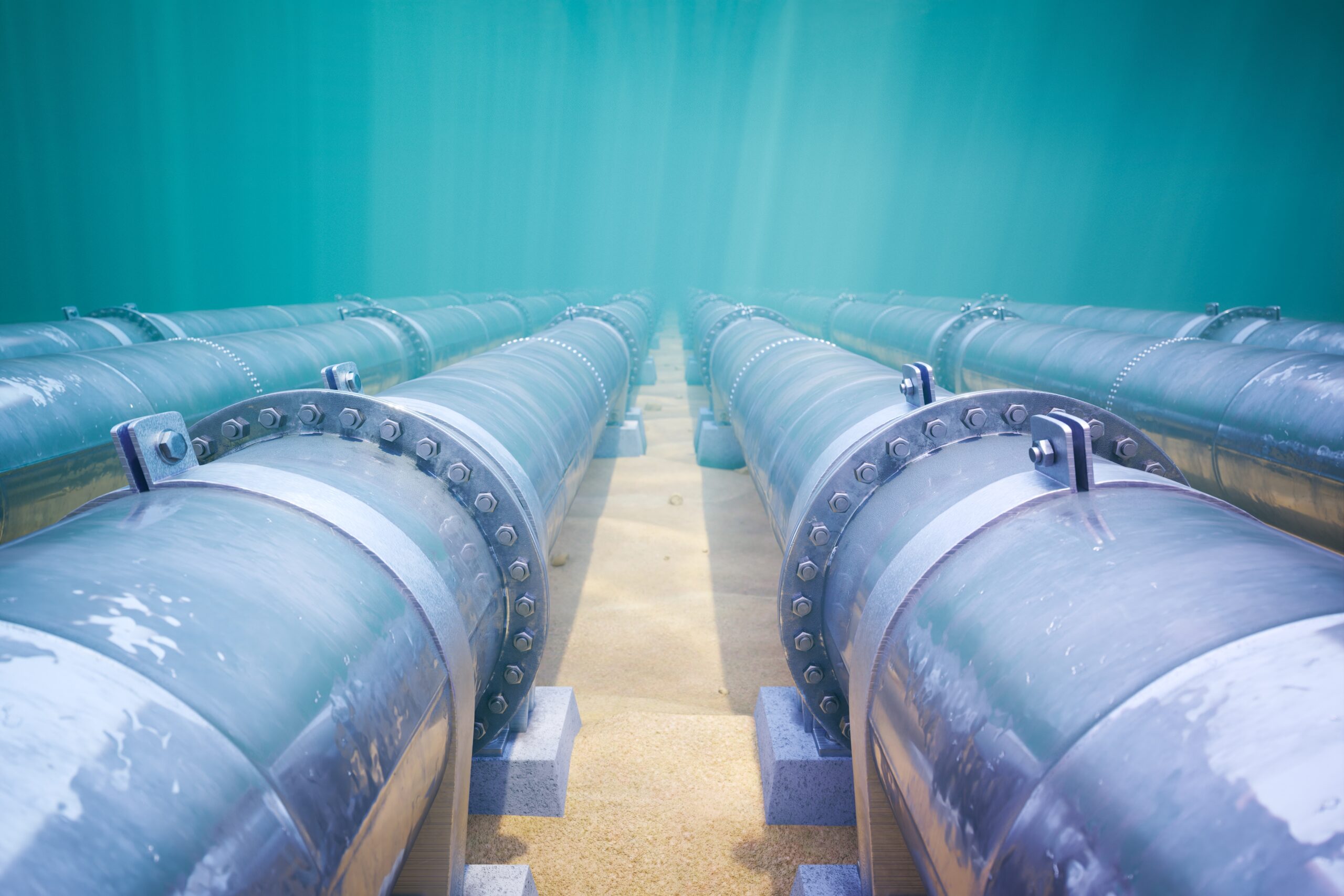
In an era defined by digital connectivity, undersea communication cables represent the backbone of the global internet. These fibre optic lines carry more than ninety‑nine percent of international data traffic and are responsible for everything from financial transactions to emergency communications. Despite their critical importance, undersea cables remain one of the most vulnerable components of the digital ecosystem. This vulnerability is not abstract. It has geopolitical, economic, and security implications that stretch far beyond coastal shorelines. For Ireland, an island nation that plays a disproportionately large role in the digital economy, the exposure of undersea cables and supporting infrastructure underscores significant challenges to national and European security.
Undersea cables stretch across thousands of kilometres of ocean floor and remain exposed to environmental hazards, commercial maritime activity, and targeted disruption. Natural events such as earthquakes and storms, fishing trawlers with heavy gear, and commercial dredging operations have all caused inadvertent damage. However, the current strategic environment has elevated the risk of intentional interference. State and non‑state actors can exploit the physical accessibility of cables and junction points to interrupt communications, steal data, or inject malware. Repairing damaged cables is a complex and time‑consuming process. It requires specialised ships, skilled crews, and often international coordination. A deliberate attack on multiple cables simultaneously could isolate regions or degrade critical services for extended periods.
Ireland’s geographical position makes it a critical hub in the transatlantic digital network. Many of the cables that connect Europe to North America and other global regions land on Irish shores. Dublin is home to major data centres operated by global technology companies because of its favourable regulatory environment, relatively low power costs, and geostrategic location. That concentration of data infrastructure has catalysed economic growth, but it also concentrates risk. A significant disruption to the cables serving Ireland would not simply impact Irish users. It would cascade through European networks, affect financial systems that depend on low‑latency connections, and disrupt cloud services used by businesses and governments across the European Union.
Despite these stakes, Ireland’s defensive capabilities remain relatively limited in terms of physical protection and dedicated cybersecurity resources focused on undersea infrastructure. Unlike military assets or critical energy installations, undersea cables are not typically guarded by coastal defence systems. Monitoring relies on a combination of commercial oversight and general maritime surveillance. At the national level, there are frameworks for cybersecurity incident response, but there is no comprehensive program that integrates physical protection of cable landings with digital threat detection. This gap reflects broader trends in many nations, where infrastructure security planning struggles to keep pace with evolving threats.
Ireland’s limited defensive capacity around subsea and digital infrastructure has direct implications for wider European security because so much transatlantic data traffic is concentrated through a small number of Irish landing points and connected data‑center corridors. These sites function as aggregation hubs where international cable systems connect into terrestrial fiber networks and large cloud and carrier facilities. That concentration creates practical choke points. If several cables or a key landing station were disrupted at the same time, traffic would be forced onto longer and less efficient routes, increasing latency and raising the risk of network congestion for critical services such as finance, government communications, and cloud platforms used across Europe. This is not just a resilience problem but also a strategic exposure, since limited monitoring and protection lowers the threshold for both covert interference and deniable sabotage. Addressing it requires closer European coordination on maritime surveillance around cable zones, shared threat intelligence between telecom operators and security agencies, and pre‑arranged repair and logistics agreements so damaged links can be restored quickly. It also calls for more practical redundancy through geographically separated landing sites, better protected shore facilities, and smarter traffic‑routing arrangements that can shift priority data flows quickly when a cable system goes down.
In conclusion, the vulnerability of undersea cables and digital systems is not a distant concern but rather a pressing security priority. For Ireland, safeguarding these assets should be a strategic imperative. Strengthening defensive measures will not only protect national interests but also contribute to the stability and security of digital systems across Europe. Collaborative action and foresight are required to ensure that the infrastructure underpinning the global internet remains robust in the face of both natural disasters and deliberate threats.
Author(s): Paula Gomila Marqués, Senior Researcher, Policy Adviser & Project Manager , SAHER Europe

Paula Gomila Marqués is a policy adviser and project manager specialising in international security, counterterrorism, European affairs and geopolitics. She currently works with SAHER Europe, where she contributes to their research initiatives and implements several projects related to topics like disinformation, the protection of public spaces, defence and digital policy. Paula has extensive experience managing and delivering European-level projects, and engaging with intelligence services, defence ministries, NATO, Europol, and the European Commission. Her work spans regulatory analysis (including the Digital Services Act, Terrorist Content Online Regulation, and AI Act), counterterrorism policy, online extremism, and risk analysis within the tech and security landscapeShe holds a Master’s degree in International Security from the Institut Barcelona d’Estudis Internacionals and specialised training in Terrorism and Counterterrorism from Georgetown University.